- Trends in Energy
- Posts
- Post-Environmentalism?
Post-Environmentalism?

Energy Research Team at Delve
December 11, 2025
Traditional environmentalism may be faltering under Trump, but its influence is being absorbed into a broader political coalition that now treats climate as one battlefield in the larger fight for their progressive economic populism.
This Week's Trend In Brief:
350.org suspended its operations last month, becoming the latest environmental heavyweight struggling to stay afloat amid the torrent of Trump-era deregulatory action and voters’ rejection of the economic cost of their climate policies amidst inflation.
A number of traditional environmental groups have faltered this year, losing both financial and electoral support as their traditional playbook of climate alarmism has stopped resonating.
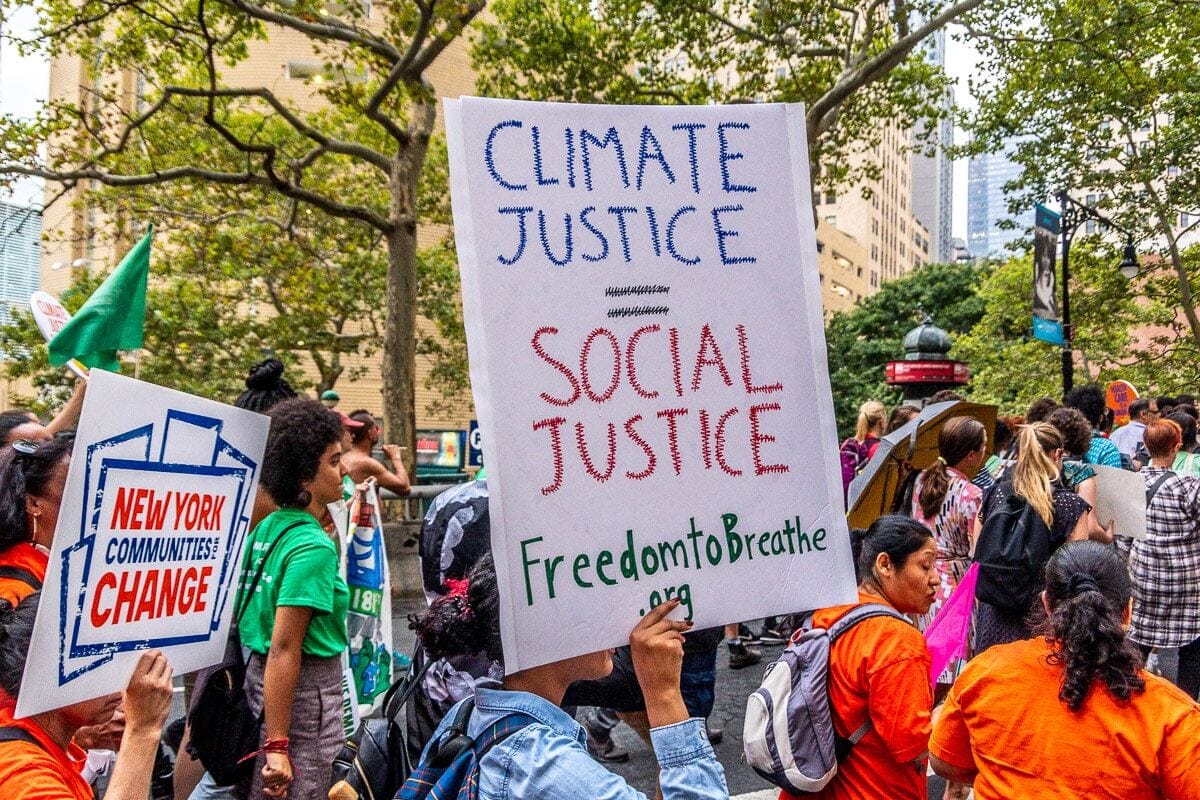
Beneath the surface, however, the environmental movement is being replaced by more aggressive and broader progressive coalitions that are absorbing climate with their wider economic agenda that’s reshaping the left’s priorities.
These coalitions are placing the climate debate within a new, more progressive and populist context that focuses less on climate-centered messaging and more on how Big Tech and Big Energy are colluding to increase “costs and affordability” for everyday Americans.
For the energy industry, the real takeaway isn’t that environmentalist groups are fading, but that a broader more aggressive coalition is emerging that sees climate as one battlefield in a larger political struggle – and energy infrastructure as a flashpoint in that fight.
Digging Deeper:
350.org, once a climate activist powerhouse, suspended most of its operations last month, becoming the latest environmental heavyweight struggling to stay afloat amid a turbulent political and economic moment. Between the torrent of Trump-era regulatory action, the broader reorientation of U.S. and global climate policy, and voters’ growing resistance to the economic costs of aggressive climate agendas, many environmental groups are facing unprecedented strain. Founded in 2008, 350.org spent more than a decade building a global activist network of nearly 500 local chapters and helped turn Keystone XL into a symbolic battleground for the climate left. Its decision to halt operations in the U.S. and elsewhere due to funding shortfalls may seem like another sign that traditional environmentalism is fading, but the reality is that the climate base is shifting, not shrinking – and the forces subsuming it are more expansive and politically integrated than before.
A number of traditional environmental groups have faltered this year, losing both financial and electoral support as their traditional playbook of climate alarmism has stopped resonating. 350.org is only the latest group in a series of ENGOs that struggled to find their feet during the second Trump Administration. The “Trump bump” that once fueled climate fundraising has dried up, and interest from individual donors has declined “after eight years of Trump being the boogeyman.” Groups from Friends of the Earth to the Sierra Club have laid off staff or restructured amid shrinking resources, just as prominent climate advocates like Bill Gates soften their rhetoric on climate change. Alongside this disruption, the Trump Administration is rolling back rule after rule that these groups have championed, while blue state leaders compromise with Trump on energy projects and investments. On the surface, this may look like the environmental movement is collapsing. Instead, it is reorganizing, and its power is being pulled into a much larger political coalition.
Beneath the surface of the environmental movement’s apparent disarray, it is being replaced by more aggressive, broader progressive coalitions that are absorbing climate into a broader economic agenda that’s reshaping the left’s priorities. In this new framework, climate is no longer treated as a standalone cause but as one thread woven into a sweeping political project centered on economic and social transformation. Groups like the Democratic Socialists of America (DSA) are at the forefront of this new movement, pledging to address “capitalism-driven climate change” but only as part of its advocacy for universal public services, social housing, expanded public transportation, and more. The Sunrise Movement, which has its roots in “climate politics,” similarly declares that the climate policy must also include affordable housing, free public transportation, and “union jobs for all.” Traditional ENGOs may be waning, but the movement has not disappeared – it has been folded into a larger ideological umbrella that is more expansive and more deeply networked.
These coalitions are placing the climate debate within a new, more progressive and populist context that focuses less on climate-centered messaging and more on how Big Tech and Big Energy are colluding to increase “costs and affordability” for everyday Americans. As we noted last month, ENGOs have poured millions into shaping a narrative that reframes rising energy costs as a crisis driven by conservatives, tech-sector power demand, and the resulting energy projects. These new progressive coalitions are doing the same, moving away from traditional climate rhetoric toward messaging that is far more politically resonant. Civil rights groups recently warned that the “rapidly spreading physical infrastructure” would increase residents’ utility costs, while the NAACP organized a two-day event in Washington, D.C. to train advocates on how to combat data center development. DSA activists are organizing on the ground in Arizona against Amazon’s “Project Blue” data center, which they similarly argue will raise costs for residents. Activist groups in Louisiana are doing the same, contending that a data center proposed by Meta will increase local energy bills. Companies must recognize that the real opposition ahead will not be yesterday’s climate activists but a wider coalition ready to turn energy infrastructure into the next battleground in its broader political agenda.
For the energy industry, the real takeaway isn’t that environmentalist groups are fading, but that a broader more aggressive coalition is emerging that sees climate as one battlefield in a larger political struggle – and energy infrastructure as a flashpoint in that fight. New York mayor-elect Zohran Mamdani exemplifies this shift. As an assemblymember, he worked closely with climate activists and built his political identity around opposing many energy projects, and his election was quickly hailed by climate and environmental justice groups as “a huge win for all of us in the climate and environmental justice field.” But for Mamdani and candidates like him across the country, climate is no longer a standalone cause but one front in a broader ideological campaign that increasingly uses infrastructure as a locus for political confrontation. For companies navigating this new landscape, the opposition they face in the years ahead will not come from the old climate movement alone – it will come from this larger, more integrated coalition that sees energy infrastructure as a defining battleground in a much bigger battle.
Trends in Energy is your weekly look at key trends affecting the energy industry, brought to you by the competitive intelligence experts at Delve. As the political and regulatory landscape continues to shift, reach out to learn how our insights can help you navigate these challenges.